
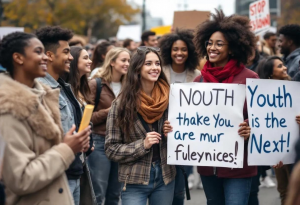
“Kabataan ang pag-asa ng bayan,” goes the saying in the Philippines – the youth are the hope of the nation. It’s a sentiment I deeply believe. My journey founding Kabalikat Para Sa Kabataan (Partners for the Youth) has shown me the incredible power young people have to transform communities.
We’re constantly bombarded with news of conflict, inequality, and injustice. It’s easy to feel overwhelmed. But what about the solutions? Who’s leading the charge towards a better future? Increasingly, it’s young people. They’re not just inheriting these problems; they’re actively working to solve them.
The Unsung Heroes: Youth at the Helm of Peace
Young people driving social change isn’t a new thing. Throughout history, they’ve been at the forefront of movements for a better world. But their specific role in peacebuilding gained major recognition recently. The United Nations Security Council Resolution 2250 on Youth, Peace and Security was a turning point. It acknowledges the positive impact young people can have in preventing conflict, resolving disputes, and building lasting peace. This resolution provides a framework for governments and organizations to truly engage with youth.
Think about it: young people are often most affected by conflict. They’re vulnerable to being recruited as child soldiers, displaced from their homes, and denied education and opportunities. Yet, they are incredibly resilient. They have a unique understanding of what causes conflict and are often best placed to come up with innovative solutions.

Youth in Action: Peace Initiatives That Inspire
Across the globe, young people are leading peace initiatives in powerful ways. Here are just a few examples:
- Digital Activism: In Myanmar, young activists are using social media to fight for human rights and advocate for peace. They’re bypassing traditional media to reach a wider audience.
- Grassroots Movements: In Colombia, young people are helping former child soldiers reintegrate into society. They provide education, training, and crucial psychosocial support, building bridges between divided communities.
- Peace Education: Across Africa, youth are developing peace education programs in schools and communities. They teach conflict resolution, tolerance, and respect for diversity.
These initiatives share a common thread: a commitment to inclusivity, collaboration, and innovative thinking. These young leaders aren’t afraid to challenge the status quo.
Bridging the Gap: Why Collaboration is Key
Youth leadership is vital, but peacebuilding isn’t a solo mission. It requires working together, across generations. Imagine combining the energy and fresh ideas of youth with the experience and wisdom of older generations. That’s powerful. Successful peace initiatives often involve mentorship programs, where experienced peacebuilders guide young activists.
A Story from the Field
I remember a project in Mindanao, Philippines. We brought together young Moro and Christian leaders with respected community elders. At first, there was tension. But through facilitated discussions and shared activities, they began to understand each other. The elders offered historical context and traditional knowledge, while the youth brought fresh ideas and enthusiasm. Together, they created a comprehensive peace plan for the region.
Investing in the Future: Empowering Young Peacebuilders
To truly unleash the potential of young peacebuilders, we need to invest in their education and development. This means:
- Peace Education: Integrating peace education into schools.
- Leadership Training: Providing young people with the skills to lead.
- Access to Resources: Ensuring access to funding, technology, and mentors.
Bayanihan – the Filipino spirit of communal unity – is crucial here. We need to create supportive communities where young peacebuilders can thrive.
Overcoming Obstacles: Challenges and Solutions
Young peacebuilders face significant challenges, including:
- Marginalization: Being excluded from important decisions.
- Lack of Resources: Lacking the funds and expertise needed to succeed.
- Security Risks: Facing danger in conflict zones.
So, how do we overcome these hurdles?
- Promote Youth Participation: Include young people in decision-making.
- Invest in Youth-Led Initiatives: Provide funding and support.
- Protect Young Peacebuilders: Advocate for their safety.
Join the Movement: A Call to Action
The future of peace depends on young people. We all have a role to play in supporting them. Whether you’re young, an educator, a policymaker, or a member of a community group, there are many ways to get involved.
How You Can Help
- Support youth-led groups: Donate, volunteer, or mentor.
- Advocate for youth participation: Urge elected officials to support policies that empower young people.
- Educate yourself and others: Learn about the role of youth in peacebuilding.
- Amplify youth voices: Share their stories on social media.
Let’s work together to create a world where young people aren’t just the hope of the future, but the leaders of today. Para sa kinabukasan ng ating mundo – for the future of our world!
Kumusta, kabataan! (Hello, youth!) I'm Mateo Alcantara. For years, I've been side-by-side with young people like you, helping turn your Read more
"Walang sinuman ang dapat iwanan." It's a Filipino saying that translates to "No one should be left behind," and it’s Read more